
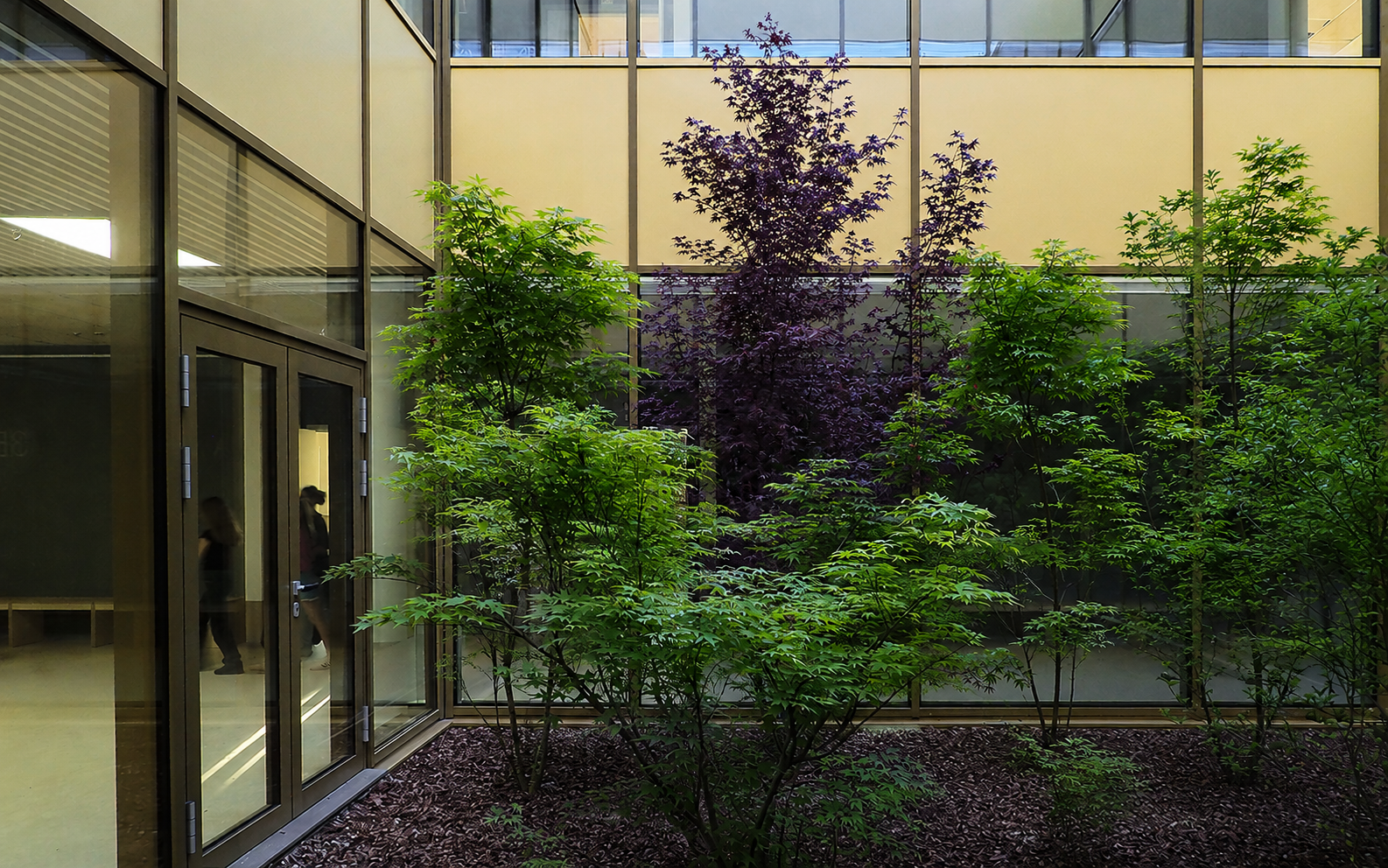
VGA’s approach to sustainable architecture and environmental design has developed and evolved over the years. Starting from the founding principles of sustainable building, our method avoids artificial solutions, privileging fully integrated design strategies in which low energy use, ecological construction, and environmental awareness are intrinsic elements of the project, rather than features added later as an afterthought.
It is now clear that construction and urban planning must play a central role in reducing our collective carbon footprint, minimizing environmental impact, and promoting more responsible ways of living. In this context, green architecture represents a fundamental tool for addressing contemporary environmental challenges and guiding the transition toward more resilient cities oriented toward sustainable urban regeneration.
We firmly believe that these goals can only be achieved through a holistic and pragmatic approach shared by the entire design team. All our sustainable architecture projects adopt low-energy design principles, regardless of the type or scale of the intervention: from high-density residential developments to the renovation, extension, and redevelopment of public museums and heritage-listed buildings.
From concept to design development, our work considers a wide range of interconnected factors: life-cycle cost, impacts on ecosystems, resource scarcity, carbon emissions, energy consumption, waste management, recycling, durability, and maintenance. This approach reflects a vision of ecological architecture oriented toward the long term and the overall quality of the built environment.
We apply the principles of the LEED and BREEAM protocols to assess all new projects through a structured, transparent, and comparable process, subject to annual review. We encourage our clients to adopt these building sustainability standards, demonstrating the tangible value generated by completed projects, which stand as examples of how architecture can combine design quality, energy efficiency, and reduced environmental impact. To date, we have achieved a track record of three LEED Gold–certified buildings and two BREEAM Very Good–certified buildings.
We also have consolidated experience in rethinking and enhancing existing buildings, improving their durability and energy performance while preserving embodied carbon. This approach is an integral part of our vision of ecological construction and green architecture applied to the built environment.
We consistently encourage our clients to consider life-cycle cost, whole-life carbon modeling, and post-occupancy evaluation for all projects, with the aim of reducing both embodied and operational resource use.
Our work is grounded in a long tradition of collaboration: our sustainability consultants have worked alongside us for over 25 years, contributing to the development of innovative solutions in the field of sustainable architecture.
All our architects actively collaborate with consultants, contractors, and subcontractors, promoting timely and targeted cooperation to evaluate materials, structural solutions—including off-site technologies—waste-reduction strategies, and processes aimed at achieving zero waste to landfill, in support of the circular economy and building sustainability.
There is no separate “sustainability team” within VGA, because the entire practice is deeply committed to creating ecological, green architecture capable of improving the built environment and guiding the construction sector toward a zero-carbon future.

